

How (and why) I added native plants to my garden
A beginner's guide to spring planting with intention, as told by a fellow beginner

Over the weekend, I finally did something I’d been thinking about for well over a year.
I planted native plants in my yard! 🪴
You may be thinking, “what are native plants?” or maybe even “what took you so long?”
Well, ever since we moved to our house over 5 years ago, I’ve been wanting to redo the landscaping. But a new roof, two replacement water heaters, a new dishwasher, a bigger car for two kids, the actual two kids, busy jobs, and many other pressing time and financial priorities later, it had always fallen to the back burner.
But I’m actually *glad* it took me this long to get my act together.
Because, if you had asked me back when we moved in what my vision for the landscaping would be, I would have told you “low maintenance shrubs”.
I wouldn’t have had any other considerations for plants except that they look nice and don’t require much effort.
In fact, it was only a few years ago that I even came to appreciate what native plants were — let alone the important role they play. And somehow it was only about a year ago that I internalized they weren’t just for prairies and forest preserves but something I also wanted right in my backyard.
So, my friends, 2026 was finally “the year” for redoing the landscaping (albeit in stages).
And I’m quite proud that I not only did it myself — but I did it with intention.
What are native plants?
Ok, so what’s the fuss? What are native plants anyway?
According to the USDA Forest Service, “native plants are the indigenous terrestrial and aquatic species that have evolved and occur naturally in a particular region, ecosystem, and habitat. Species native to North America are generally recognized as those occurring on the continent prior to European settlement.”
In other words, native plants have evolved over centuries to thrive in a given region, which means they are well adapted to the local soil conditions, rainfall patterns and climate. They are the true plant OGs.
And the greatest news of all: that makes them super resilient, meaning they don’t require much maintenance (or even much water) to keep them growing once they are established.
So they’re beautiful and low maintenance after all? Music to my ears!
While there are thousands of different types of native plants (including many kinds of trees and grasses), you might recognize some of them when you see them — they’re characteristically a little “wild” looking, in the very best sense of the word.
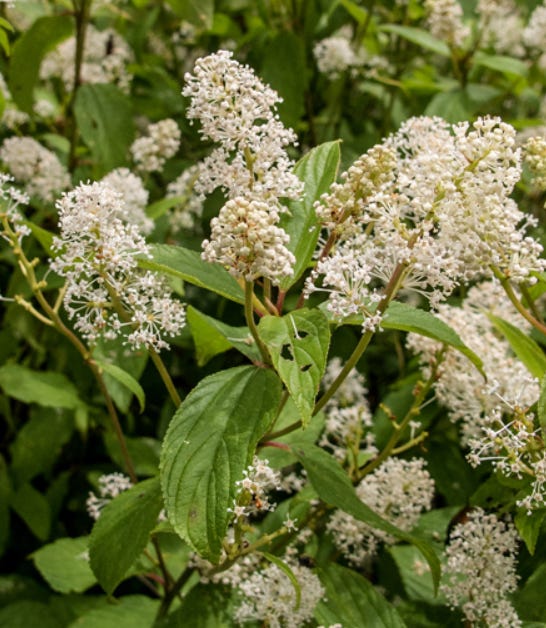
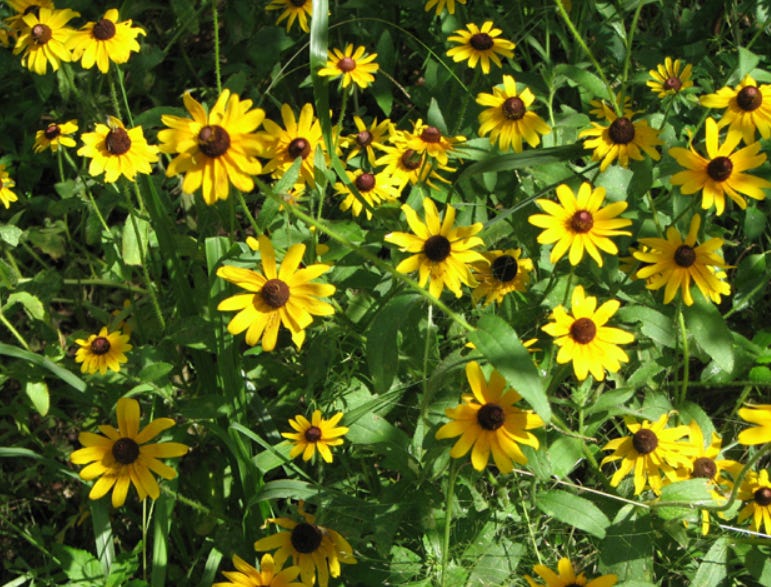
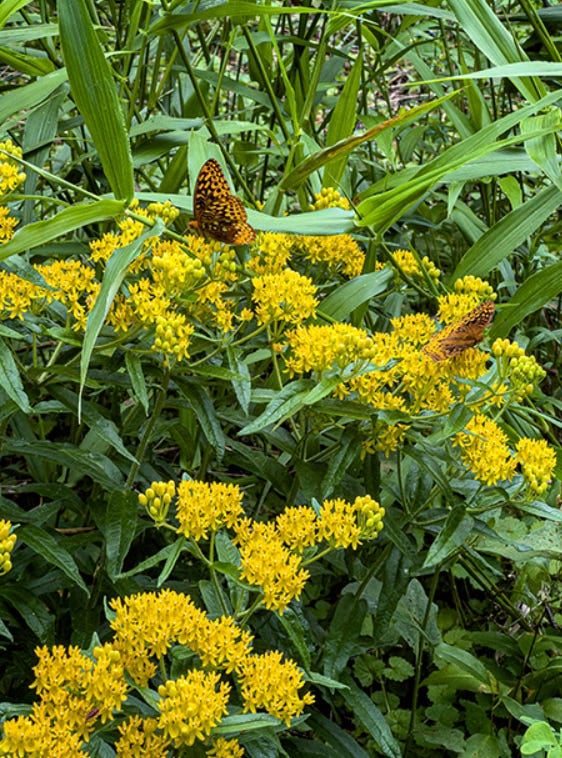
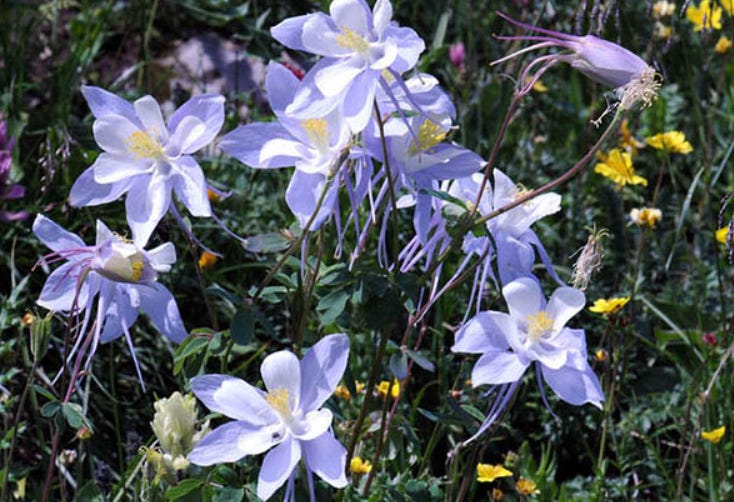
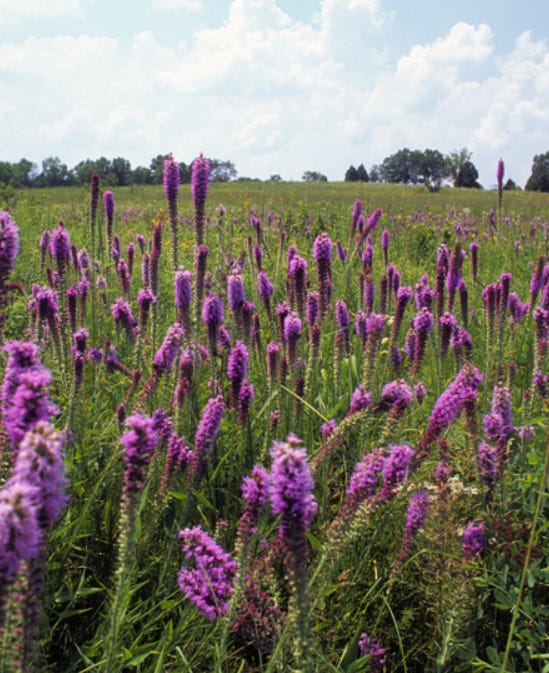
Of course, regional native plants vary greatly depending on where you live. Plants that thrive in Alaska won’t be the same ones that thrive in Florida (or outside the US, for my international readers)! 👋🏻
I’ve included a handy list of resources in the “Preparing to Plant” section below for you to find which ones thrive near you.
Benefits of native plants
Native plants aren’t just aesthetically pleasing though. They also play several critical roles in the ecosystem.
🐝 They support pollinators and help maintain biodiversity. In fragmented urban and suburban landscapes, native gardens act as vital refueling stations or “stepping stones” for pollinators like bees and butterflies. By reducing the distance a pollinator must fly to find nectar and pollen, you help increase their chances of survival and reproduction (which is critical for pollination of crops and other plants and for maintaining biodiversity of many types of plants and animals).
🌾 They are drought-tolerant and can thrive with just rainwater. According to the California Department of Water Resources, “a sustainably designed, drought-tolerant native garden can use 85 percent less water per year than a traditional landscape with turf and high-water use plants.”
And it’s all thanks to their deep roots.
To see what I mean, take a look at this diagram showing the depth of different native plant roots — then compare those to the roots of traditional lawn grass on the far left (which is why grass turns brown so quickly when it doesn’t get enough water).
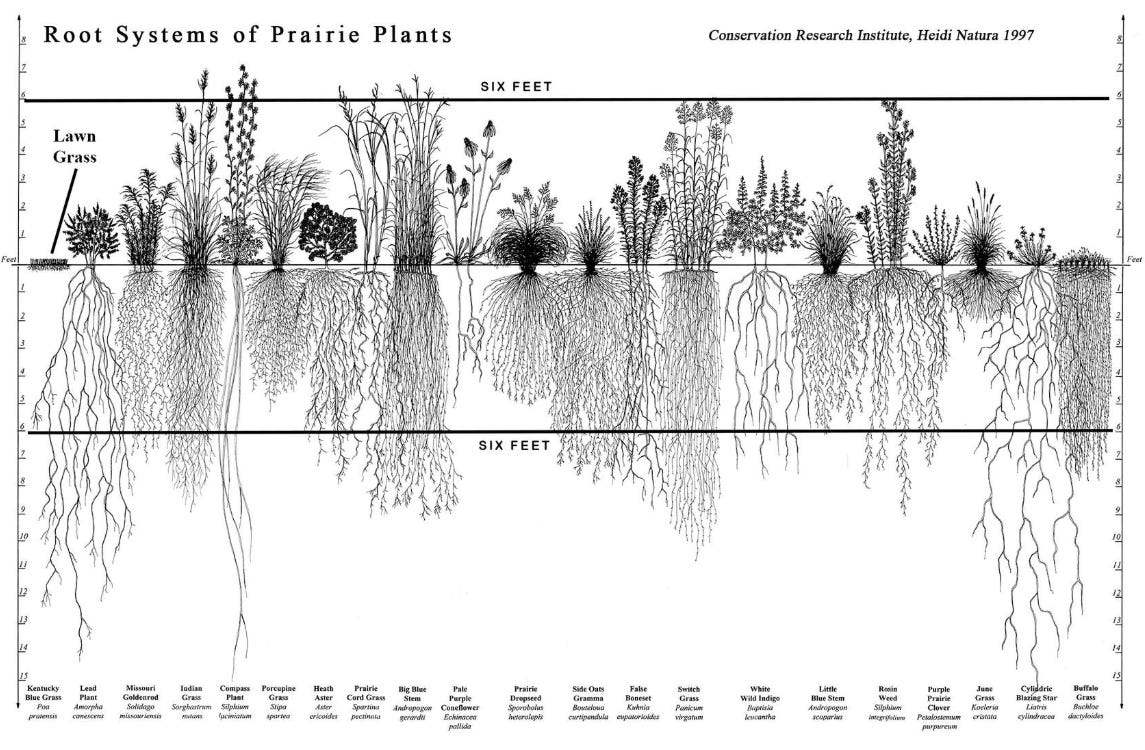
Once they are established, native plants can thrive with just rainwater. They also don’t need any fertilizer or pesticides, which means cleaner runoff and healthier ecosystems and communities.
🌊They can help prevent erosion. Their deep roots also make native plants excellent at preventing erosion by absorbing excess water rather than letting it pool up and erode land and soil.
In short, native plants are shining examples of self-sufficiency and resilience all around. These factors make them stand out from certain types of non-native plants (most especially traditional grass) that may require excess water and/or fertilizer to grow or that don’t provide ecological benefits in the form of food for pollinators or shelter for animals.
But this isn’t to say all non-natives are bad and only natives are good! Ultimately, the goal should be to select plants that are well-suited to site conditions, support local wildlife, and contribute to overall ecosystem health, whether native or not.
Preparing to plant
As much as I was convinced of native plants’ benefits and had a strong desire to grow them, when it came to the actual planting part, I’ll admit I still felt a little unsure of where to start.
I am not exactly a gardener extraordinaire, though I have long been an expert admirer of other people’s gardens. And I didn’t have the slightest idea how to evaluate things like my soil conditions.
I also think the native plants’ planned “permanence” felt different (and a little more stressful) to me because I had only ever planted annuals like pansies, snapdragons and mums in ceramic pots.
Last summer, I paid an enterprising high school kid $100 to rip out all the existing dead plants so I’d have a fresh garden bed this season. And that’s about all I had figured out.
I just knew I wanted to learn how to do it right.
So I took an Introduction to Native Plants course through the Morton Arboretum to give myself a little more background and base level understanding of how to think about creating a native garden from scratch.
But it turns out planting natives has only minor differences from planting anything else — so you don’t need to over-complicate it like I did!
Here are the main steps I followed, in case you’re not a natural green thumb either:
1️⃣ Evaluate your plot of land
How much sun does it get? What type of soil does it have? (Here’s an easy test to figure it out). Does the soil look healthy, or is it rocky or dry? (In which case you’ll need to add compost for added nutrients and moisture). Is there enough room for the plants to spread? (Certain natives tend to spread decently wide and tall).
2️⃣ Find plants that will thrive in those conditions
Here are some great resources for how to find native plants that will thrive in your region:
Pollinator.org: Put in your zip code to get a custom guide of what to plant in your region to attract pollinators. They also have a Find Your Roots tool to help you identify the right plants for your needs.
Audubon.org: Put in your zip code for a guide on creating bird-friendly native habitats.
National Wildlife Federation: Shop native plants by state. They also have a quiz you can take to find which native plants are best for your region and needs.
Once you find ones you like, do a rough sketch of how you’ll arrange them (with the tallest height in the back so they don’t block out each other’s sun).
3️⃣ Prepare the soil
Use a hoe to break up any dry or hardened dirt areas. Remove any existing weeds. Mix in some fresh compost (available at many garden centers or Home Depot) with the existing dirt to help boost soil health, and then smooth it all out with a rake to get rid of any large clumps.
I actually had a pretty rough go of this step when I discovered there was a ton of construction debris about 3-4 inches down (tons of hardened mortar and even an old spray paint can that must have gotten buried many years ago when the builders built the house)! Shout out to my nephew and husband for helping me get rid of all of it without breaking my back from all the shoveling.
4️⃣ Plant them!
Follow the instructions on the plant marker. But the general rule of thumb is to plant them at the same depth they were in their container. The crown (where roots meet stem) should be level with the surrounding soil. For mine, I also dug out a hole 2x as wide as the container.
Space them 1-3 feet apart, depending on the species and instructions.
It’s also recommended to have 3-5 of the same type in a single garden bed if possible so pollinators can find them more easily.
5️⃣ Maintain them
Add 2-3 inches of mulch over the top to prevent weed growth, leaving about an inch of space around the plants.
Watering needs basically depend on the weather conditions, but I’m going with the generally recommended 2-3 times per week to start, followed by once a week for the first year. They are supposed to become more self-sufficient from there on, but I’ll be taking cues from droopy leaves or dry soil 1-2 inches down for quite a while!
Other notes
You can add natives to an existing garden too — it doesn’t have to be a totally clean slate.
If you still need help, I highly recommend using Gemini Live as a gardening assistant. It was SUPER cool to ask it questions as I shared a live video of my digging progress and struggles with finding the right spots to put the different plants.
I also joined a subreddit called r/NativePlantGardening, which simultaneously makes me feel like I’m 80 and also like I’m super cool (not to say you can’t be both of those things!) 😂
The final product
I started with a small-ish plot that gets decent sun. This is likely my first of several plots I’ll be converting to natives this season, but I’m super proud to have one under my belt!
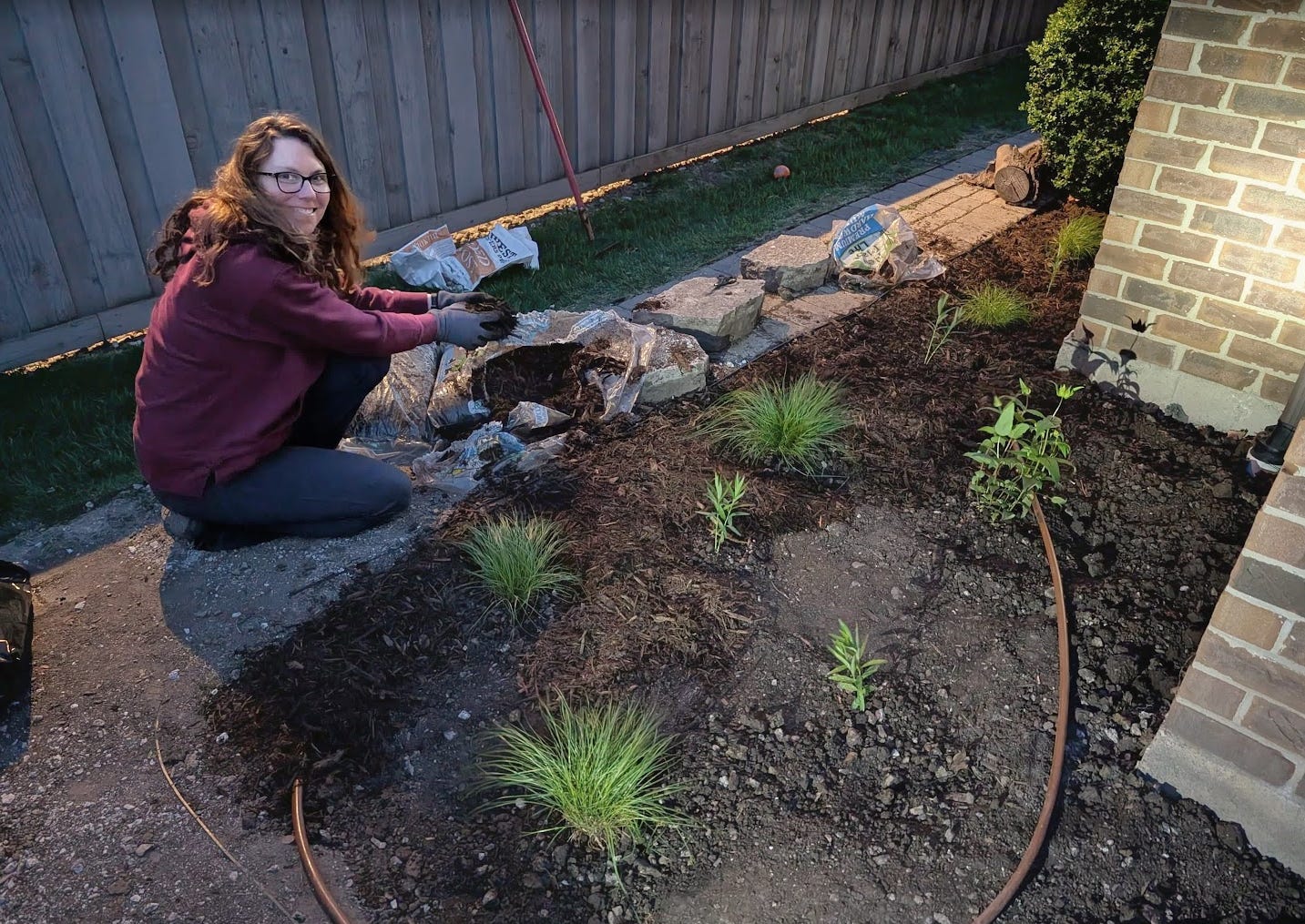
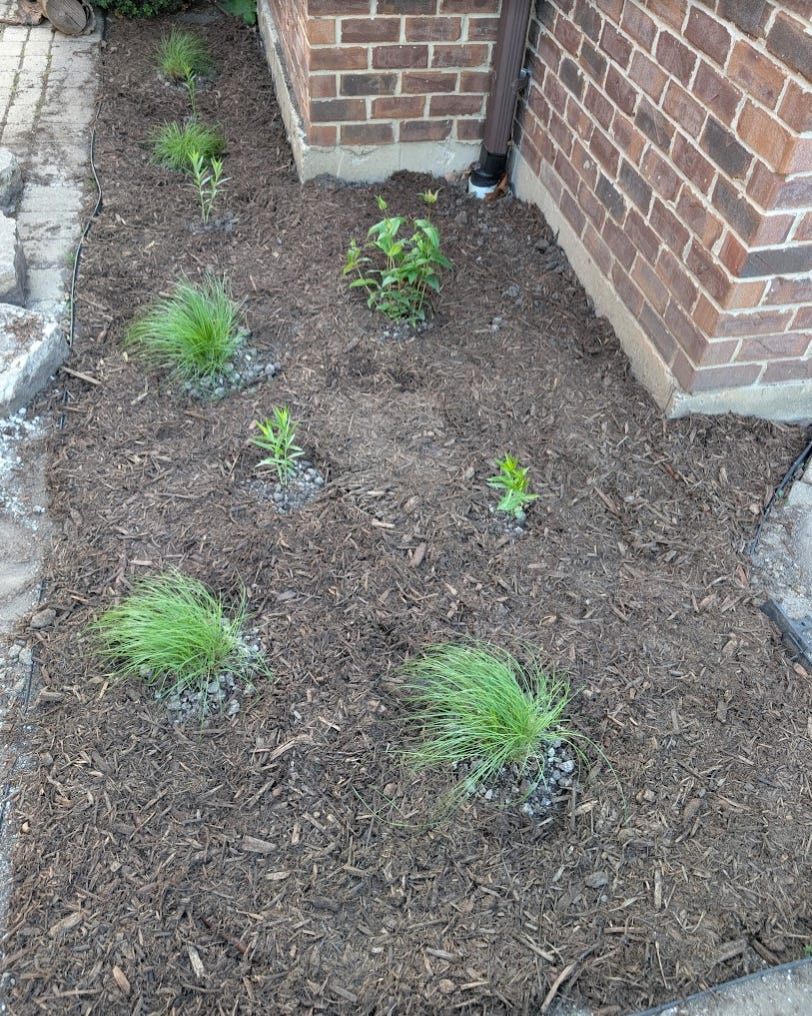
Here’s what I chose for the first round:
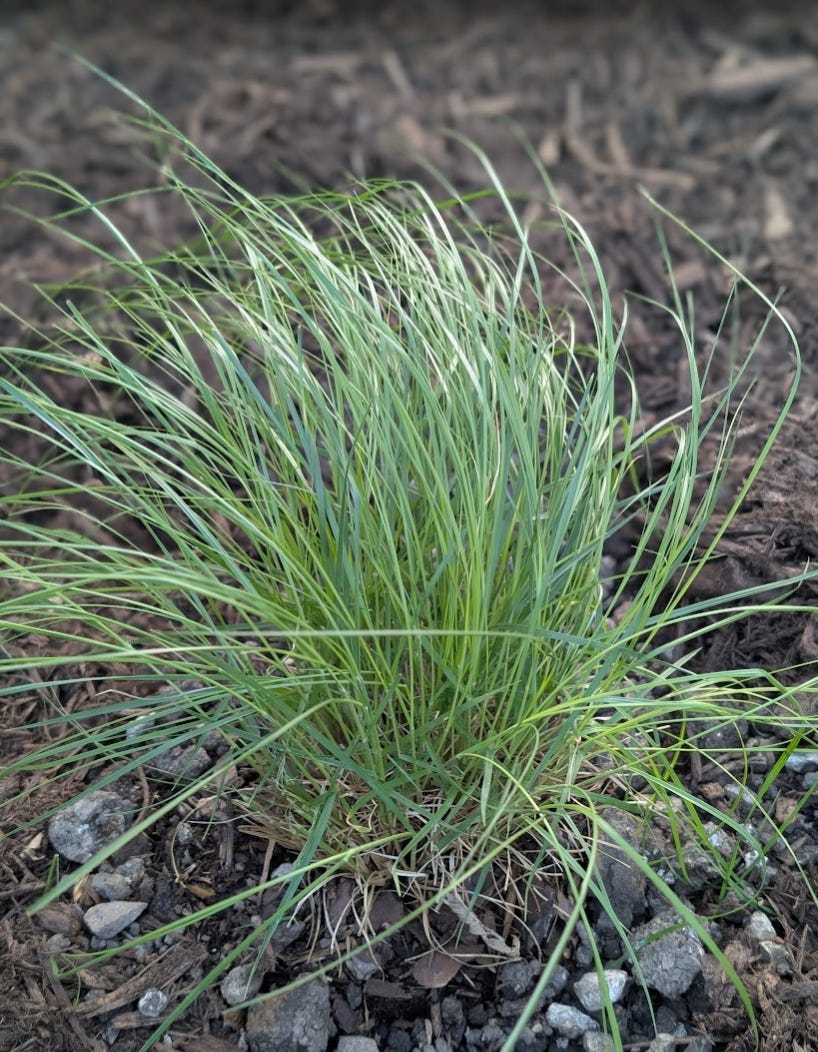
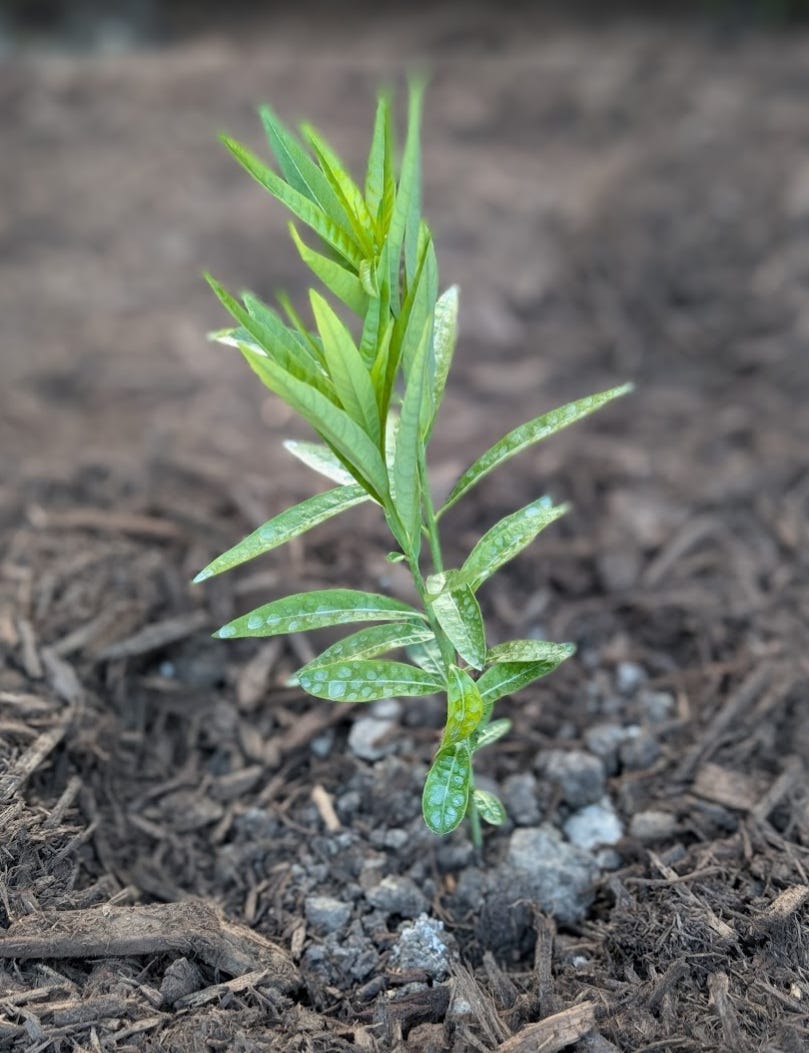
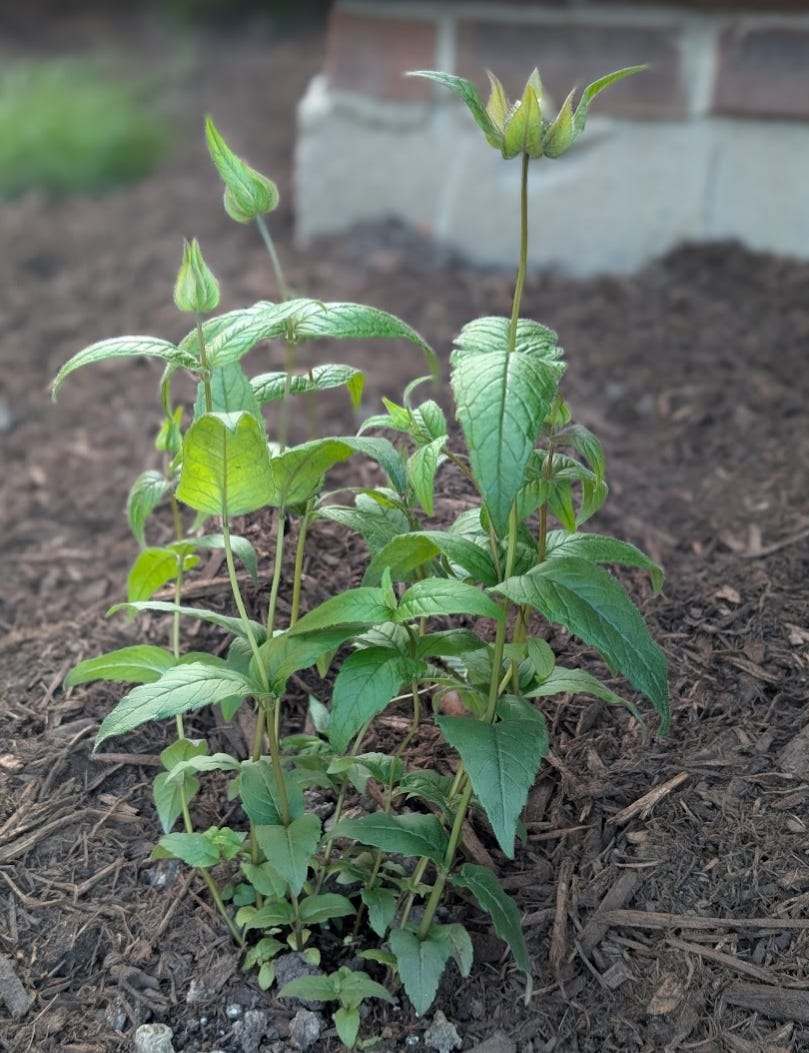
So if you’ve been hearing all the buzz about native plants, or you’re still early in the process of planning your spring planting, I hope you’ll give natives a shot in your garden this year.
It’s a simple yet intentional switch with huge upside for your local ecosystem. The birds, bees and butterflies will thank you — and so will your water bill!
If you’ve planted native plants, tell me about it! I’d love to hear how it’s going for you.
Until next time,
Jenny